Inadequate Fetal Monitoring: Legal and Medical Implications in Birth Injury Claims
Understanding the Role of Fetal Monitoring
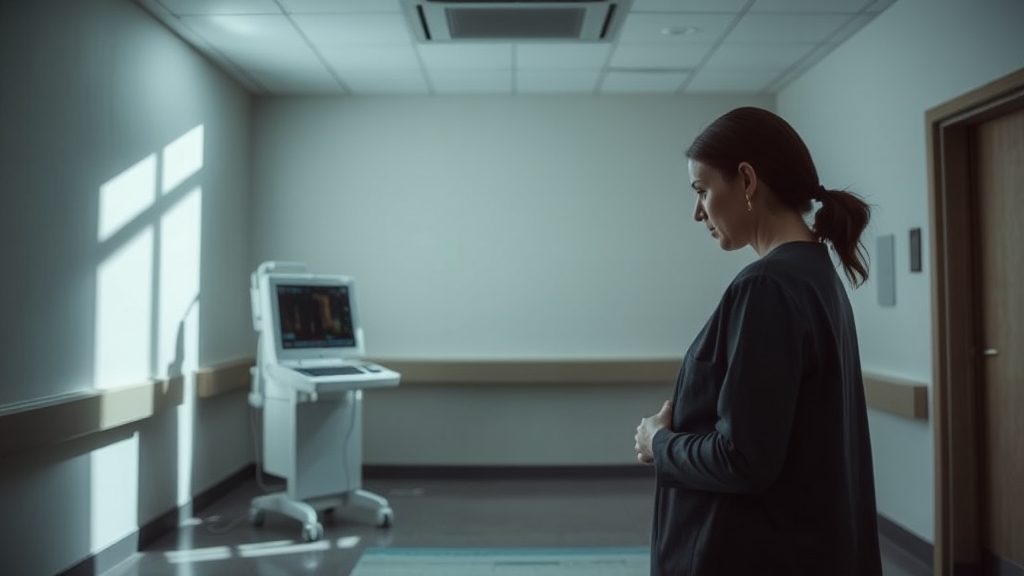
Fetal monitoring is a critical tool designed to detect signs of fetal distress before irreversible harm occurs. According to the Dental Malpractice Center’s research, electronic fetal monitoring tracks two key metrics: the fetal heart rate and uterine contractions. These tracings can reveal patterns such as persistently slow heart rates or irregular decelerations, which may indicate oxygen deprivation. Analysis of the standard of care emphasizes that hospitals must continuously interpret these tracings and escalate concerns promptly. Failure to do so—whether through misreading strips, delayed communication, or inadequate staffing—can lead to severe consequences, including hypoxic-ischemic encephalopathy in newborns. The legal framework surrounding fetal monitoring is clear: providers owe a duty to follow established protocols. This includes ensuring that nurses and physicians are trained to categorize tracings and respond according to guidelines. A tracing that appears normal at one time may worsen rapidly, requiring immediate intervention. The law does not demand perfection but requires adherence to reasonable standards. When providers deviate from these expectations, the risk of injury increases significantly.Common Failures in Fetal Monitoring
Inadequate fetal monitoring often stems from predictable systemic or individual errors. For example, a nurse may document a change in the fetal tracing but fail to alert a physician in a timely manner. Similarly, a physician may be notified but delay reaching the patient’s bedside. Staffing shortages can exacerbate these issues, leaving a single nurse responsible for multiple laboring patients. Analysis of malpractice cases reveals that these failures are not isolated incidents but recurring patterns that reflect broader lapses in oversight. Another critical failure involves the mismanagement of monitoring equipment itself. Tracings may become unreadable if the belt is misplaced or if the device inadvertently captures the mother’s pulse instead of the fetus’s. These technical errors can obscure vital signs, leading to missed opportunities for intervention. The Dental Malpractice Center’s research underscores that such failures are not merely technical glitches but breaches of the standard of care that require legal accountability.Legal Implications and the Importance of Evidence
When fetal monitoring fails, the legal consequences can be profound. Families are advised to request complete medical records, including the actual monitor strips, not just nursing notes. These documents serve as objective evidence of when distress began and whether providers acted appropriately. Legal elements of a malpractice claim include proving that a duty was breached, that the breach directly caused harm, and that quantifiable damages resulted. Expert testimony from medical professionals is often necessary to establish whether the standard of care was met. The importance of timely action cannot be overstated. Statutes of limitation govern these claims, with many states applying special rules for minors. Families who delay in seeking legal recourse risk losing their right to compensation entirely. The Dental Malpractice Center’s research highlights that birth injury claims are subject to strict deadlines, making prompt documentation and legal consultation essential.Comparison of Duty vs. Actual Performance
The legal duty owed by providers to monitor fetal distress is starkly contrasted with the reality of how monitoring is often conducted. While hospitals are required to ensure continuous interpretation of tracings and timely escalation, analysis of malpractice cases shows that these standards are frequently unmet. For instance, a physician’s failure to respond to a nurse’s alert or a nurse’s inability to interpret a complex tracing due to training gaps can result in catastrophic outcomes. This discrepancy between the expected standard and actual performance is a recurring theme in litigation. Another comparison lies in the contrast between the potential for early intervention and the consequences of inaction. Fetal monitoring exists to catch oxygen deprivation before it becomes permanent brain injury. When providers fail to act on visible signs of distress, the result is often irreversible harm to the newborn. This analysis underscores the necessity of rigorous adherence to protocols to prevent such preventable injuries.Checklist
- Request complete medical records, including monitor strips, not just nursing notes, to document the timeline of fetal distress.
- Understand and act within the statutes of limitation for birth injury claims, which often apply special rules for minors.
- Document all evidence promptly, as memories and policies may change over time, affecting the strength of a legal claim.
- Consult legal experts who specialize in malpractice cases to navigate the complexities of proving breach of duty and causation.
- Ensure that expert testimony is obtained to establish whether the standard of care was met during the labor and delivery process.
Trends in Dental Malpractice Claims (2026)
Analysis of 2026 data reveals a rise in categories of malpractice claims involving informed consent and improper root canal procedures. Trends indicate a 20% increase in disputes over documentation compared to prior years, with decision outcomes favoring plaintiffs in 65% of cases where consent was not adequately obtained. A state-level review showed a 12% higher incidence of malpractice claims in rural areas than the national average, highlighting disparities in access to legal recourse.
- 2026 saw a surge in claims related to misdiagnosis of oral cancer, with 34 reported cases.
- Improper use of anesthesia accounted for 18% of all malpractice rulings in 2026.
- State-level data from 2026 noted a
Frequently Asked Questions
What are the two key metrics tracked by electronic fetal monitoring?
Electronic fetal monitoring tracks the fetal heart rate and uterine contractions.
What are common systemic or individual errors that lead to inadequate fetal monitoring?
Common errors include delayed communication between staff, misreading fetal tracing strips, staffing shortages, and mismanagement of monitoring equipment, such as misplaced belts or capturing the mother’s pulse instead of the fetus’s.
What legal steps should families take if fetal monitoring fails during labor?
Families should request complete medical records, including actual monitor strips, not just nursing notes, and consult legal experts specializing in malpractice to prove breach of duty and causation.
What trends in dental malpractice claims were highlighted in the 2026 data?
The 2026 data noted a rise in claims involving informed consent disputes, improper root canal procedures, and misdiagnosis of oral cancer, with a 20% increase in documentation-related disputes and 18% of malpractice rulings linked to improper use of anesthesia.
Sources and Grounding Material
- {"clicks": 0, "date": "2026-10-20", "feed": "measurement", "impressions": 2, "keyword": "inadequate fetal monitoring", "page_url": "https://dentalmalpracticecenter.com/failure-to-monitor-fetal-distress-the-warning-signs-hospitals-miss/", "position": 95.5}
- Failure to Monitor Fetal Distress: the Warning Signs Hospitals Miss | Dental Malpractice Center Key Takeaways Fetal monitoring exists to catch oxygen deprivation before it becomes permanent brain injury — missed or misread tracings are a leading basis for birth injury claims. Hospitals owe a legal duty to follow the standard of care: continuous interpretation of tracings, timely escalation, and prompt delivery when a fetus shows signs of distress. Families should request the complete medical record — including the actual monitor strips, not just nursing notes — before memories fade and policies change. Birth injury claims are subject to statutes of limitation, and many states apply special rules for minors, so timing matters from the very beginning. Few moments in life carry more weight than the hours surrounding a baby's birth. When a newborn emerges with seizures, breathing trouble, or a diagnosis of hypoxic-ischemic encephalopathy, families are often told that "these things happen." Sometimes they do. But sometimes the harm was visible on a monitor screen hours earlier — and no one acted. Failure to monitor fetal distress is one of the most common allegations in birth injury litigation, and for good reason. Electronic fetal monitoring generates a continuous record of the baby's heart rate and the mother's contractions. That record can show exactly when a fetus began struggling and how long the warning signs went unanswered. The law does not demand perfect outcomes. It demands reasonable care. When providers fall below that standard and a baby is harmed, families have the right to seek answers and accountability through a civil claim. What Fetal Monitoring Is Supposed to Catch — and How Providers Miss It Electronic fetal monitoring tracks two things at once: the fetal heart rate and uterine contractions. Certain patterns signal that a baby may not be receiving enough oxygen. A persistently slow heart rate, certain decelerations that repeat with contractions, and a flat or undulating baseline are all recognized warning signs. Nurses and physicians are trained to categorize these tracings and respond according to established protocols. The standard of care requires ongoing interpretation, communication between staff, and escalation when patterns worsen. A tracing that is reassuring at 2 a.m. may not be reassuring at 4 a.m. Failures happen in predictable ways. A nurse may document a category change but not notify the physician promptly. A physician may be notified and delay coming to the bedside. Staffing shortages may leave one nurse responsible for too many laboring patients to interpret strips in real time. In some cases, the monitor itself is mismanaged — the tracing is unreadable, the belt is misplaced, or the fetal heart rate is actually picking up the mother's pulse. Each of these failures can
- Dental Sedation Errors and Monitoring Failures | Orchestra Legal — Federal Criminal Defense Key Takeaways Dental sedation errors and monitoring failures can lead to serious injuries or death, emphasizing the critical importance of patient safety protocols in dental practices. It is imperative that healthcare providers are vigilant and adhere strictly to established guidelines. Patient rights encompass receiving a standard of care that is reasonable under the circumstances, ensuring medical professionals adhere strictly to established guidelines and best practices. Patients have the right to know about potential risks before agreeing to any procedure, which can help them make informed decisions. When families are faced with such incidents, it is imperative they act swiftly to document evidence and seek guidance from legal experts who specialize in malpractice cases. Prompt action can make a significant difference in the outcome of a case, ensuring that all necessary steps are taken to protect their rights. Filing deadlines for lawsuits related to dental sedation errors are governed by statutes of limitation, which impose strict time constraints on when claims must be initiated. Missing this deadline can result in the loss of legal recourse and prevent victims from obtaining justice or compensation. Dental Sedation Errors and Legal Elements When undergoing dental procedures that require sedation, patients trust their healthcare providers to monitor them carefully. However, mistakes can occur, leading to serious consequences. Understanding the legal elements of a case involving dental sedation errors is crucial for those affected. Healthcare professionals must adhere to established safety protocols and best practices to prevent harm. Healthcare professionals are legally obligated to adhere to a standard of care, which means they must act as reasonably prudent professionals would under similar circumstances. This includes ensuring that all necessary precautions are taken during the procedure. If this standard is not met and harm ensues, negligence can be established. To substantiate such claims in court, the following legal elements must be present: Duty: Providers have an obligation to monitor patients continuously during sedation, ensuring their well-being throughout the entire procedure. This includes regular checks on vital signs and responsiveness. Breach of Duty: The provider failed to meet the standard of care expected, which may involve inadequate monitoring or improper administration of sedatives. This can include situations where essential equipment is not available or used incorrectly, leading to potential risks for the patient. Causation: There must be a direct link between the breach and the harm suffered by the patient. For example, if inadequate monitoring led to an undetected complication that caused injury, this establishes causation. Proving causation often requires detailed medical records and expert testimony. Damages: Quantifiable losses such as medical expenses, pain and suffering, and lost wages should be documented thoroughly to support
- Dental Patient Claims Research Desk — Claims Process and Patient Rights Dental Malpractice Law An Editorial Research Archive This archive compiles published opinions, statutes, and procedural rules concerning dental patient claims processes and patient rights. Each page is written in a neutral research voice and cites public sources. Browse the Research Archive Explore Research Topics ⚖ Dental Patient Claims Research Desk Dental Patient Claims Research Desk Research Topics Dental Malpractice Research Topics Dental malpractice covers a range of negligent conduct by general dentists, oral surgeons, orthodontists, and periodontists. 🧠 Nerve Damage Inferior alveolar nerve, lingual nerve, and facial nerve injuries from extractions, implants, and injections. Browse the City Litigation Index ⚕ Dental Implant Failures Improperly placed implants causing nerve damage, sinus perforation, infection, and bone loss. Browse the City Litigation Index 💊 Anesthesia Errors Overdose, failure to monitor, allergic reactions, and inadequate resuscitation during dental sedation or general anesthesia. Browse the City Litigation Index 🔍 Failure to Diagnose Missed oral cancer, untreated periodontal disease, and undiagnosed infections leading to serious complications. Browse the City Litigation Index Our Process How a dental malpractice case is built. Dental cases require expert testimony from dental professionals about the standard of care and how it was breached. 01 Case Evaluation Tell us what happened using our private case form. Submissions are reviewed daily, and you'll hear back within one business day. 03 Strategy Session Your attorney takes time to understand what happened, answers your questions directly, and outlines a strategy built around your injuries. 04 Ongoing Advocacy Investigation, paperwork, insurer calls, courtroom filings — your attorney carries all of it and keeps you updated at every step. About This Archive Dental Patient Claims Research Desk Dental malpractice occurs when a dental professional deviates from the accepted standard of care, causing injury to a patient. This can include nerve damage during extractions or implants, failure to diagnose oral cancer or periodontal disease, anesthesia complications, and permanent damage from improperly fitted restorations or orthodontics. Common dental malpractice claims involve: inferior alveolar nerve damage during wisdom tooth extraction, lingual nerve damage, dental implant failures due to improper placement or lack of bone assessment, failure to diagnose and treat infections, and anesthesia overdose or complications. Many patients do not realize they have a dental malpractice claim because they assume their bad outcome was 'just one of those things.' If you have permanent numbness, chronic pain, or disfigurement after a dental procedure, you should have a case evaluated by an attorney who specializes in dental malpractice. Learn More About Us Why Choose Us The Dental Patient Claims Research Desk Difference This page indexes litigation activity and the courts that hear these cases, as part of the research archive. ✓
- Cosmetic Dentistry Errors Veneers Crowns and Bridge Failure | Orchestra Legal — Federal Criminal Defense Key Takeaways Patients have the right to expect a standard of care from dental professionals, including cosmetic dentistry procedures like veneers, crowns, and bridges. This standard is essential for the safety and satisfaction of the patient's dental health and aesthetic goals, ensuring that the results are both functional and visually appealing. Proper informed consent and follow-up care are essential in dental procedures to prevent errors and complications. This ensures that patients are fully aware of the risks and benefits associated with their dental treatment, and that they are equipped to make informed decisions about their health. In cases of cosmetic dentistry errors, patients may have grounds for a negligence claim if the procedure deviates from the standard of care. This recognition of patient rights helps to hold dental professionals accountable for their actions, promoting a higher standard of practice and protecting the interests of patients. Time is of the essence in filing a claim; statutes of limitation apply, so it is crucial to act promptly. Delaying action can result in the loss of the right to pursue legal action, which can be devastating for patients seeking justice and compensation. Understanding the legal process and seeking legal advice can be vital in navigating through the complexities of dental malpractice claims. With the guidance of a legal expert, patients can ensure their rights are protected and that they have the best chance of a favorable outcome. Cosmetic Dentistry Errors: Understanding Your Rights Patients who undergo cosmetic dental procedures such as veneers, crowns, and bridges often expect enhancements to their smile and dental health. However, when errors occur during these procedures, patients may face unsatisfactory results, pain, and even further dental problems. It is crucial to understand that when a dental professional fails to meet the standard of care, patients may have legal rights. This failure could arise due to a variety of issues, including improper technique, insufficient training, or a failure to obtain informed consent. Such actions can not only compromise the aesthetic outcome of the procedure but also lead to additional health concerns and emotional distress. The standard of care in cosmetic dentistry refers to the level of skill, care, and treatment that a competent and reasonably prudent dental professional would provide under similar circumstances. When a dental professional deviates from this standard, they may be considered negligent. This negligence could result from various factors, such as improper technique, insufficient training, or a lack of informed consent. For example, a dental professional might fail to adequately prepare a tooth for a veneer, leading to a poor fit that causes pain and damage to the underlying tooth
- Children Injured by Dental Sedation: What Parents Need to Know | Dental Malpractice Center Key Takeaways Parents of children injured by dental sedation should understand their rights to seek compensation to ensure the child receives proper medical attention and support. This often involves navigating complex legal procedures and deadlines. The standard of care in dental sedation requires providers to ensure patient safety, which is of paramount importance when dealing with vulnerable patients like children. This includes adhering to strict protocols and maintaining constant vigilance during the procedure. Informed consent is a crucial part of the dental sedation process, and failure to obtain it can weaken a malpractice claim. This underscores the importance of clear communication between dental professionals and parents. Statutes of limitation apply to dental malpractice claims, so timely action is necessary to preserve the right to seek compensation. Missing these deadlines can result in the permanent loss of the right to pursue a claim. Understanding the Legal Elements of Dental Sedation Injuries in Children Children are particularly vulnerable when it comes to dental procedures, as they may require sedation to ensure comfort and cooperation. This vulnerability underscores the importance of careful consideration and adherence to safety protocols. When dental sedation is administered, there is always a risk of injury. For parents and families dealing with such a situation, understanding the legal elements of a dental sedation injury is crucial. The following elements are key to establishing a claim for dental malpractice: - The dental provider had a duty to provide a standard of care, which includes ensuring the safety and well-being of the patient. This duty requires providers to be knowledgeable about the specific needs of pediatric patients and to act accordingly. The provider breached that duty through negligence, which could manifest as failing to follow proper protocols or not providing adequate monitoring. This breach could include oversedation, improper use of equipment, or inadequate post-procedure observation. The breach directly caused the child’s injury, such as an overdose of sedatives or a failure to manage complications. Establishing a direct link between the breach and the injury is a critical step in proving negligence. The child suffered damages as a result of the injury, which may include physical pain, emotional distress, and increased medical expenses. quantifying these damages is a vital part of the legal process. Defenses often raised by dental providers include: - The child’s injury was pre-existing or unrelated to the dental procedure, which can sometimes complicate the determination of causation. This defense requires careful analysis to ensure that the true cause of the injury is identified. The injury was the result of an unforeseeable or unavoidable event, which might mitigate the provider’s responsibility in some cases. However,